How to Save Money on Your UK Energy Bill Before Winter
October 09, 2026 - Money Tips

October 09, 2026 - Money Tips
October 03, 2026 - Money Tips

September 29, 2026 - Money Tips

You have probably seen the phrase on a banking app or heard a colleague mention "maxing out the ISA" without anyone explaining what it means. A Stocks and Shares ISA is one of the most straightforward and tax-efficient ways to invest in Britain, and it is far less daunting than the name suggests. Here is how it works, what it costs you, and how to open one this week.
An ISA — Individual Savings Account — is a tax wrapper, not an investment in itself. Think of it as a labelled box. You put money in, and inside the box you buy investments: funds, shares, exchange-traded funds, and sometimes bonds. Anything those investments earn is free of UK income tax and capital gains tax while it stays inside the wrapper.
The rules are simple enough to remember:
Outside an ISA, investing can create two tax bills. First, dividends above your annual dividend allowance are taxed. Second, gains above the annual capital gains allowance are taxed when you sell — and that allowance has shrunk considerably in recent years.
Say you invest £5,000 and it grows to £8,000 over a decade. That £3,000 gain might be taxable outside an ISA, depending on your circumstances and what else you have sold that year. Inside an ISA, it is not. The dividend income along the way is not taxed either. Over decades, that difference is real money — and you no longer have to keep records or fill in a tax return to prove it.
Nobody invests for free, but the charges are usually smaller than beginners expect. They come in three parts.
Your provider charges for holding the account, usually a percentage of your balance each year. Percentages vary widely by provider, so compare before you commit. Flat-fee platforms often work out cheaper for large pots; percentage-based ones suit smaller balances.
Every fund you hold has its own ongoing charge, taken from the fund itself. Index trackers sit at the cheap end, while actively managed funds charge more because someone is picking the investments. Check this figure before buying anything — it is the cost you pay whether the fund does well or badly.
Buying and selling investments can cost a few pounds per trade, depending on the platform. Look out for exit fees, transfer fees, foreign exchange costs on overseas shares, and inactivity fees on some older accounts.
A small difference compounds. On a £10,000 pot, a 0.3 percentage point gap in total charges is £30 in the first year — and rather more over twenty years, when the money you did not pay in fees has also had a chance to grow.
Most beginners are best served by a diversified fund that spreads your money across hundreds of companies, rather than a handful of individual shares. Diversification will not stop markets falling, but it stops one company's bad news wrecking your savings.
Then match the investments to your timeline. Money you need in the next five years — a house deposit, a car, a wedding — generally belongs in cash, not shares, because markets can fall sharply and stay down for a while. Money you will not touch for a decade or more is where investing tends to make sense.
Set a monthly amount you will not miss — £25 is a genuine start — and let the direct debit do the work. A global tracker fund, held in a cheap Stocks and Shares ISA, is a sensible default for a beginner with a long horizon. Check your allowance before 5 April, review your charges once a year, and resist the urge to tinker every time the news turns gloomy.
If your situation is complicated — you are self-employed, nearing retirement, or unsure how investing fits with your tax position — a regulated financial adviser is worth the fee. Everything here is general information, not personal advice.
Photo: 3844328 / Pixabay
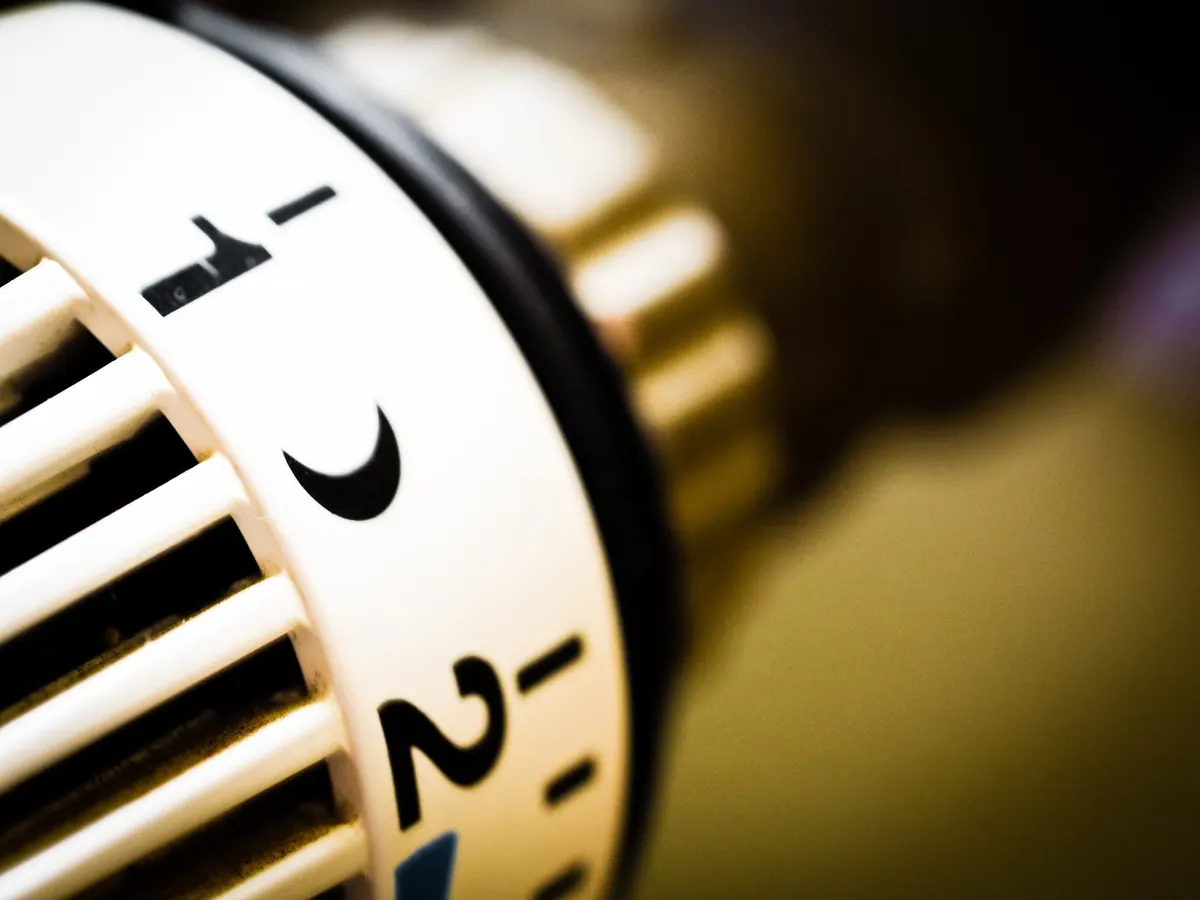
Practical, low-cost ways to cut your UK heating and electricity bills before winter, from smarter thermostat...

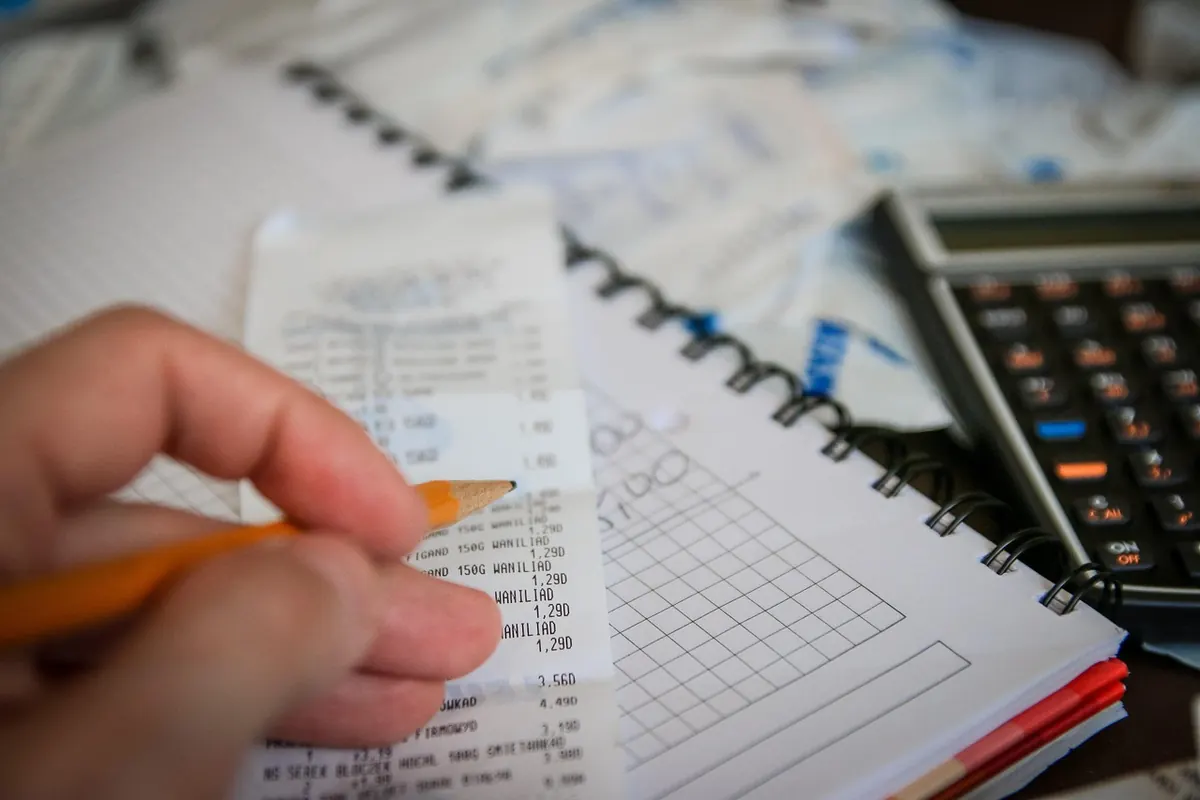
A practical festive checklist for planning gifts, food and travel so your Christmas spending stays inside a budget...
October 09, 2026 - Money Tips
October 03, 2026 - Money Tips
Copyright © 2026 Mint Log. All Right Reserved.